



FROM ANI TO ARMENOPOLIS:
The Town Armenian Refugees Built from Scratch
FROM ANI tO ARMENOPOLIS:

The Transylvanian Town Armenian Refugees Built from Scratch
Every summer, thousands of travelers pass through northwestern Romania, chasing the same Transylvanian itinerary: Cluj for the coffee shops, Sighișoara and Brașov for the medieval town atmosphere, Bran for the Dracula legend. Few stop in Gherla.
The town sits quietly on the banks of the Someș River, easy to overlook. Its story begins with the memory of a lost home. The descendants of the merchants who built this town trace their roots to Ani, the ancient Armenian capital left in ruins centuries ago.
While it may sound like a legend, the historical record confirms that the city —known as Hayakaghak in Armenian, Szamosújvár in Hungarian, and Armenierstadt in German—was built from the ground up.

Gherla, with its straight streets, symmetrical facades, and deliberate central square, is not a city that grew. It was drawn — block by block, street by street.
The town’s architecture is defined by a distinctive "Armenian Baroque" style, celebrated for its abundance of decorative forms and intricate ornaments. This aesthetic features striking symmetrical facades and richly ornamented stone frames that elegantly surround the doors and windows of the historic residences.
Today, fewer 20,000 people live in Gherla. In 2002 there were 24,000. The town, like most small towns in post-communist Romania, has been losing people steadily ever since — to Cluj, to Bucharest, to Western Europe.
Even as modern apartment blocks have risen to house its inhabitants,  the grid laid out for Armenian settlers three centuries ago refuses to shift.
Erika Estegar is a living link to the city's founders. The name alone tells a story: "Estegar" is a Romanian-inflected evolution of the Armenian word for "flag-bearer" — likely marking her ancestors as those who stepped forward to organize and represent the early colony. Leadership, it seems, runs in the family.

Today, Erika is one of the community's keepers of memory. She walks us through the geometric streets of the old town and into the Gherla History Museum, housed in a 18th-century Armenian residence.
"Here in Romania, if you say you're Armenian, people look at you like you're a king, or a prince. Something special. Maybe that's what kept us Armenian — the fact that when you say it, everyone gives you a certain respect. And we try to live up to that. To be kind, generous, serious people. Because we are someone here," Erika says, with a smile.
The descendants of the Armenian colony who built this Transylvanian town trace their roots to Ani, the ancient Armenian capital left in ruins centuries ago. After fleeing the Seljuks, these families began a centuries-long journey through Crimea and Moldova. The final leg was a desperate flight through the snow: in the winter of 1671–1672, approximately 3,000 Armenian families fled religious persecution in Moldova to find a new home.

Photo by Engin Tavlı, Wikimedia Commons
Dr. Arsen Arzumanyan, a scholar of Armenian heritage in Romania, and who served as a consultant for this article, providing extensive background information and historical expertise, highlights how the refugees who founded the Transylvanian community carried their entire existence across the mountains in two symbolic bundles.


Photo from Arsen Arzumanyan's Facebook page
"Professor Kristóf Szongott (Khachik Astvatsaturyan, 1843-1907), whose works are among the main sources for the history of Transylvanian Armenians, singles out a fact that greatly characterizes the traits of immigrant Armenians: when starting the migration, they took two things with them: their wealth (gold items, jewelry) and church hymns, prayer books, so that in foreign countries they could pray and offer liturgy in their own language".

After a bitter winter sheltered in the Carpathian forests, these families were granted permission to settle in Transylvania, where they would eventually transform a silent "goose grazing field" into the Baroque "metropolis" of Armenopolis.

Image: The Square. Drawing by Károly Cserna, 1899.

Տրանսիլվանիայի հայկական համայնքը

1. Արմատները Անիից
(11-րդ դար)

Հայերը Տրանսիլվանիայում հաստատվել են 11-րդ դարից սկսած, երբ Հայաստանը գրավվեց թուրքերի կողմից, և պատմական մայրաքաղաք Անին հայաթափ արվեց:

«Այսօր Տրանսիլվանիայի բազմաթիվ հայեր... հավատացած են, որ իրենք Անիից գաղթած իրենց նախապապերի ժառանգներն են:»

2. Գաղթ Մոլդովայից (1672թ.)

Մոլդովայի իշխանությունում սկսված հալածանքներից խույս տալով՝ Տրանսիլվանիա փախան 3000 հայ ընտանիքներ իրենց հոգևոր առաջնորդ Մինաս Զիլիֆթարի գլխավորությամբ:

Գաղթի պատճառներն էին՝ կրոնական ճնշումներ, տնտեսական հնարավորություններ, թուրք-լեհ-մոլդովական պատերազմներ և գյուղացիական ապստամբություններ:

3. Բիստրիցայի դեպքերը (1712թ.)

Տեղափոխված հայերի առևտրային հաջողություններն առաջացրին լարվածություն: 1712 թ. Բիստրիցայում ժանտախտի համաճարակ սկսվեց, որում սաքսոնները մեղադրեցին այնտեղ ապրող 231 հայերին:

Հայերը ստիպված եղան լքել քաղաքը քսանչորս ժամվա ընթացքում: Բոլորը տեղափոխվեցին Արմենոպոլիս:

4. Արմենոպոլիս (Գեռլա)

1700 թ. կայսրը 12.000 ֆլորին գումարի դիմաց թույլատրում է Սոմեշ գետի ափին կառուցել հայկական քաղաք: 1808թ. այստեղ ապրում էր շուրջ 6000 մարդ, որոնք բոլորն էլ հայեր էին (100%):

Կառուցվեցին Սուրբ Ավետման (1724թ.) և Սուրբ Երրորդություն (1776թ.) եկեղեցիները (շինարարությունը տևեց 28 տարի):

5. Եղիսաբեթուպոլիս (Դումբրըվեն)

1733 թ. հրովարտակով հայտարարվեց հայկական քաղաք՝ օտարազգիները պետք է լքեին տարածքը: Բնակչության մեծամասնությունը հայեր էին:

1727-1916 թթ. ընթացքում Եղիսաբեթուպոլիսի բոլոր 61 քաղաքապետերը հայեր են եղել:

6. Գեորգեն և Ֆրումոասա

Գեորգենում 1672թ. կար 2500 հայ: Հակասություններ կային տեղացի սեկլերների հետ առևտրի շուրջ:

Ֆրումոասայում 1675թ. ապրում էր 2000 հայ: 1700թ. կառուցվեց Սուրբ Երրորդություն եկեղեցին՝ պահպանված հնագույնը Ռումինիայում:

7. Հեղափոխություն և Անկում (1848թ.)

Հայությունն ակտիվորեն աջակցեց հեղափոխությանը: Էռնեստ Կիշը և Կիլելմոս Լազարը մահապատժի ենթարկվեցին, դառնալով Հունգարիայի ազգային հերոսներ:

Արմենոպոլիսը վճարեց ~500.000 ֆլորին տուգանք: Այս պարտությունից հետո հայերը կորցրեցին հարստությունը և աստիճանաբար ձուլվեցին:

Աղբյուր` Արսեն Արզումանյան, ՏՐԱՆՍԻԼՎԱՆԻԱՅԻ ՀԱՅԿԱԿԱՆ ՀԱՄԱՅՆՔԸ ԵՎ ՆՐԱ ՄԱՍՆԱԿՑՈՒԹՅՈՒՆԸ ՔԱՂԱՔՆԵՐԻ ԿԱՌՈՒՑՄԱՆԸ ԵՎ ԶԱՐԳԱՑՄԱՆԸ (17-20-ՐԴ ԴԴ.)


The urban plan of Gherla is a historical anomaly in Transylvania. While neighboring towns like Cluj or Sighișoara grew organically over centuries, Armenopolis was engineered from scratch. At the time, it was the only city in Romania constructed according to a predefined mathematical blueprint.
This meticulously planned city was established on empty agricultural land just south of the Renaissance-style Martinuzzi Fortress—originally named Wyvar, or "New Fortress"—which at the time stood alongside the small Romanian village of Candia.

Where the urban plan of Armenopolis came from is still debated. Local legend says it was carried from Rome by Bishop Oxendius Värzärescu — the city's founder and first Armenian Catholic bishop, who secured the imperial decree to build the settlement. Architectural historians are more prosaic: the design most likely came out of the imperial bureaus of Vienna, drawn by Habsburg administrators who saw in Armenopolis an opportunity to plant a model city in the Transylvanian frontier.

The blueprint echoes other "Baroque new towns" of the era — Mannheim, Karlsruhe — where straight lines and symmetrical facades were not just aesthetic choices but political ones, served as physical expressions of imperial authority and progress. The town was divided into standardized lots of approximately 20 by 40 meters —which were sold to Armenian families for "one hundred florins".
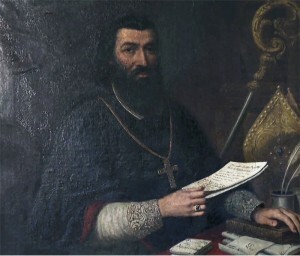
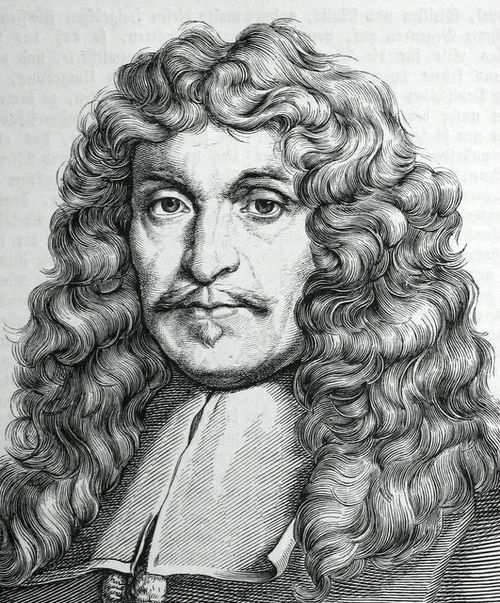
Oxendius Vărzărescu 
Oxendius Vărzărescu (1655–1715) was the first Armenian Catholic bishop of Transylvania. Born in Botoșani and educated in Rome, he played a key role in converting the Armenian community to Catholicism and uniting it with Rome. He is also known as the founder of Armenopolis (today's Gherla), after obtaining a 1700 imperial decree from Emperor Leopold I to establish the city as a trade and manufacturing hub.
The Armenian settlers were far more than refugees. They were, as historians have described them, the "major merchants of early modern Eurasia" — a title earned through centuries of connecting the Black Sea to the heart of Europe. In Transylvania, they represented the most economically active layer of society. Their influence was measured in the massive herds of cattle they drove to the markets of Vienna and Pest, controlling a trade network that accounted for over 57% of Transylvania's foreign trade in the first half of the 18th century.
As a community, they acted as bankers to an empire, frequently loaning vast sums to the Habsburg treasury. In return, many families were ennobled.

By the 19th century, the Armenians of Transylvania had become an inseparable part of the national fabric. They traded their Oriental identity for European finery and the Hungarian language, eventually producing national heroes like Ernest Kish and Kilelmos Lazar, who fought for the freedom of their adopted land against the Habsburg monarchy.
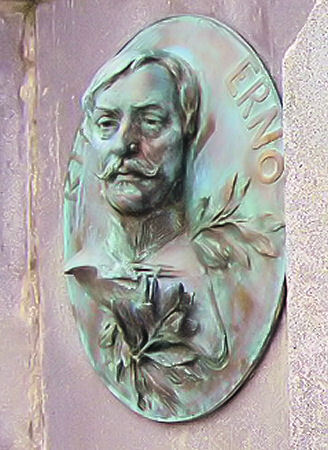
Ernest Kish
Ernest Kish (historically known in Hungarian as Ernő Kiss) was a prominent Armenian-Hungarian military leader and a national hero of the 1848–1849 Hungarian Revolution and War of Independence.
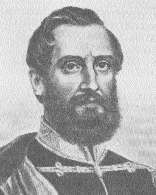
Kilelmos Lazar
Kilelmos Lazar (known in Hungarian as Vilmos Lázár) was a prominent military leader of Armenian descent and a national hero of the 1848–1849 Hungarian Revolution and War of Independence.
The echoes of that golden age are preserved in the Gherla History Museum, housed in a merchant's residence built around 1747. The building later served as a prestigious Armenian gymnasium before becoming a museum in 1907. Inside, 19th-century portraits stare back at visitors — these were the "foreign locals" of their time.

A collection of old photographs that Erika describes as a vital record of a changing city. "We have some photos with families, old photos about the city, how the buildings looked," she says. "In some places, we don't have the buildings anymore. They were torn down."

Perhaps the most quietly affecting part of the museum is the story based on its collection of ancient registers and the four-volume history written by local scholar Kristóf Szongott. These records track the slow evolution of a people — how original Armenian surnames shifted over generations to reflect a family's trade or character. Among them is the story of the Daibukat family, whose name derives from the cry of "give them a piece," shouted by the town's poor. It is a small detail, preserved in ink. But it says something about what kind of people built this city — and what they wanted to be remembered for.

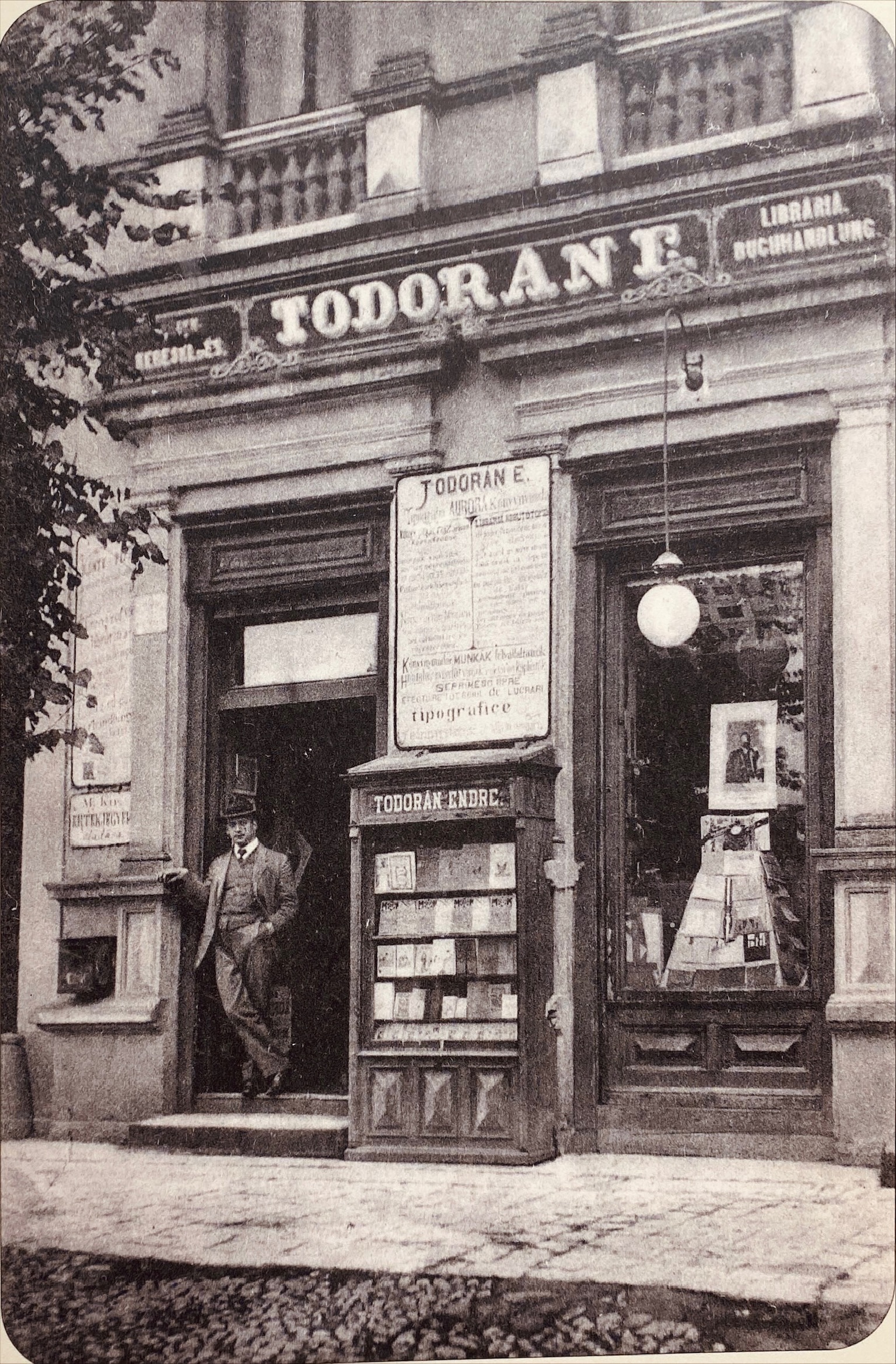
The survival of Gherla's Armenian identity has always depended on people willing to tend to it. For years, that role belonged to János Esztegár, Erika's father, who became a central figure in reviving Armenian cultural life after the 1989 Revolution.

Today, Tibor Molnár holds the keys to Gherla's Armenian Catholic churches. In a city where the Armenian community has dwindled to a few hundred, the Holy Trinity Cathedral and the Solomon Church no longer open their doors for daily use.
Historically, the Solomon Church ( Holy Annunciation Church) was the focal point of the early Armenian settlement. The town originally began to develop organically around this church and its stone-fenced graveyard before the rigid, mathematical Baroque grid brought from Vienna was applied to the rest of the city.
The church was the oldest Armenian stone sanctuary in Armenopolis (Gherla) and was built between 1723 and 1724. Its name honors its founders, brothers Salamon and Bogdán Simai and their wives, a wealthy Armenian family who migrated from Poland.
While the building is a Baroque monument, it features a unique late Gothic portal at its main entrance. The entrance is further distinguished by Baroque statues of Pope Sylvester and St. Gregory the Illuminator, the patron saints of the Armenian people.

The Holy Trinity Cathedral, a Baroque masterpiece built over several decades beginning in 1748 and finally dedicated in 1804 — a monument on a scale that still feels improbable for a city this size. Its construction was also a vital component of the city's Baroque urban blueprint.
The primary reason for the construction of the Holy Trinity Cathedral was that the town's first stone sanctuary, the Solomon Church, had become too small and insufficient to accommodate the spiritual needs of the community.

As the Armenian population in Armenopolis experienced rapid growth during the first half of the 18th century, there was a pressing demand for a much more spacious place of worship.

The cathedral was built to serve as the spiritual and cultural heart of the town, providing a central location where the community could be held together and represented with appropriate dignity.
The Cathedral's most captivating secret is hidden within its Rosary Chapel: an altarpiece depicting The Descent from the Cross, which the community has fiercely maintained for over two centuries to be an original by the Flemish master Peter Paul Rubens.
According to local legend, the work was a gift from Emperor Francis I in the early 19th century — an imperial token of gratitude after the wealthy Armenian merchants provided massive financial loans to fund the Habsburg treasury during the Napoleonic Wars.


The legend further celebrates the shrewdness of the Armenian settlers, who allegedly marked a corner of the painting in secret while it was still in the Belvedere collection in Vienna, ensuring the Emperor could not fob them off with a copy. Modern experts, including art historian Felvinczi Takács Zoltán and scholar Levon Chookaszian, have since attributed the work to Joachim von Sandrart.

But the "Rubens" endures — less as a matter of attribution than of identity. It stands as a symbol of a diaspora community that was prosperous enough to fund an empire's wars, and self-assured enough to demand its greatest artistic treasures in return.

Joachim von Sandrart
Joachim von Sandrart (12 May 1606 – 14 October 1688) was a German Baroque art-historian and painter, active in Amsterdam during the Dutch Golden Age. He is most significant for his collection of biographies of Dutch and German artists the Teutsche Academie, published between 1675 and 1680.
Like Erika Estegar and the other remaining families in Gherla, Tibor Molnár belongs to a community that has largely lost the Armenian language to centuries of integration.
Though they no longer speak the tongue of their ancestors in daily life, they still gather in the cathedral to pray in Armenian, often reading the ancient liturgy phonetically from prayer books written with Hungarian letters.
Today, roughly 400 people in Gherla identify as ethnic Armenian, around 120 of them as Armenian Catholic. A small number for a city they built from scratch — but the community is still active.

Erika travels to Armenia regularly, bringing back photographs, traditions, and choreography for the Hayakaghak dance group she leads in Gherla. The community's own dances were lost over the centuries, so she learns them from teachers in Yerevan and brings them home to Transylvania.

The community's calendar still turns around shared celebration. The Armenian Art Festival and the Armenian Street Festival draw visitors with music, performances, and calligraphy demonstrations.

Images and videos were provided by Erika Estegar and Arsen Arzumanyan.
Of all the things a community can carry across centuries — language, religion, architecture — food travels furthest. In Gherla, the most enduring trace of Armenian identity may be a soup.

Akanjapour translates simply as "ear soup" — named for the tiny ear-shaped pasta that floats in the broth, seasoned with hurut, a fermented milk and herb condiment that has no real equivalent in Romanian or Hungarian cooking.

The Hurut Festival pays tribute to the traditional akanjapour soup.

It is a festive dish, made for celebrations, passed down through families who may no longer speak Armenian and may not be entirely sure of their history but know, instinctively, how this soup is supposed to taste.

Image provided by Erika Estegar.
And once a year, the feast of St. Gregory the Illuminator fills the streets with a grand procession, ending in a shared banquet — one of the few moments when the scale of the old community briefly feels present again.


Image provided by Erika Estegar.