



1. Roots from Ani (11th Century)
Armenians settled in Transylvania starting from the 11th century when Armenia was conquered by the Turks and the historical capital Ani was depopulated.
2. From Ani to Crimea (13th-15th C.)
After the Mongol invasions, Armenian merchants and artisans gradually moved northwest, establishing vibrant colonies in Surkhat (Staryi Krym) and Kaffa (Theodosia).
3. From Crimea to Moldova (17th C.)
Armenians moved to the Principality of Moldova, settling in Roman, Botoșani, and Suceava. A stable community formed until persecutions forced them to move in 1672.
4. Moldova to Armenopolis (1672)
Crossing the Carpathians, families settled in several Transylvanian cities: Gherla (Armenopolis), Dumbrăveni (Elisabethopolis), Gheorgheni, and Frumoasa.
5. Armenopolis (Gherla)
By 1808, around 6,000 people lived here, all of whom were Armenian (100%). The Annunciation (1724) and Holy Trinity (1776) churches were built.
6. Events in Bistrita (1712)
In 1712, during the plague, 231 Armenians were forced to leave Bistrita within 24 hours and moved to Armenopolis.
7. Gheorgheni and Frumoasa
Gheorgheni had 2,500 Armenians in 1672. Frumoasa had 2,000 in 1675. In 1700, the Holy Trinity Church was built, the oldest preserved in Romania.
8. Revolution & Decline (1848)
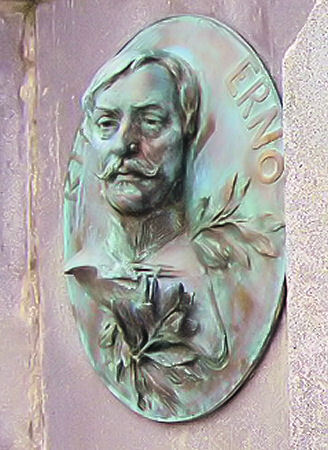
The Armenians supported the 1848-49 revolution. Ernest Kish and Kilelmos Lazar became Hungarian national heroes.
Source: Arsen Arzumanyan, THE ARMENIAN COMMUNITY OF TRANSYLVANIA AND ITS PARTICIPATION IN THE CONSTRUCTION AND DEVELOPMENT OF CITIES (17TH-20TH CENTURIES)