
Shadows and Light
An Armenian Journey through Old Constanța
The Mosaic of the Peninsula
The historic Peninsula of Constanța is more than just a collection of old buildings; it is a "Confessional Octagon" where different faiths and ethnicities have coexisted for centuries. Among these, the Armenian community—settled here since the 18th century—has been a cornerstone of the city’s modernization, leaving a legacy of architectural beauty and deep-rooted humanity.
1. The "Genovese" Lighthouse: Artin Aslan's Legacy
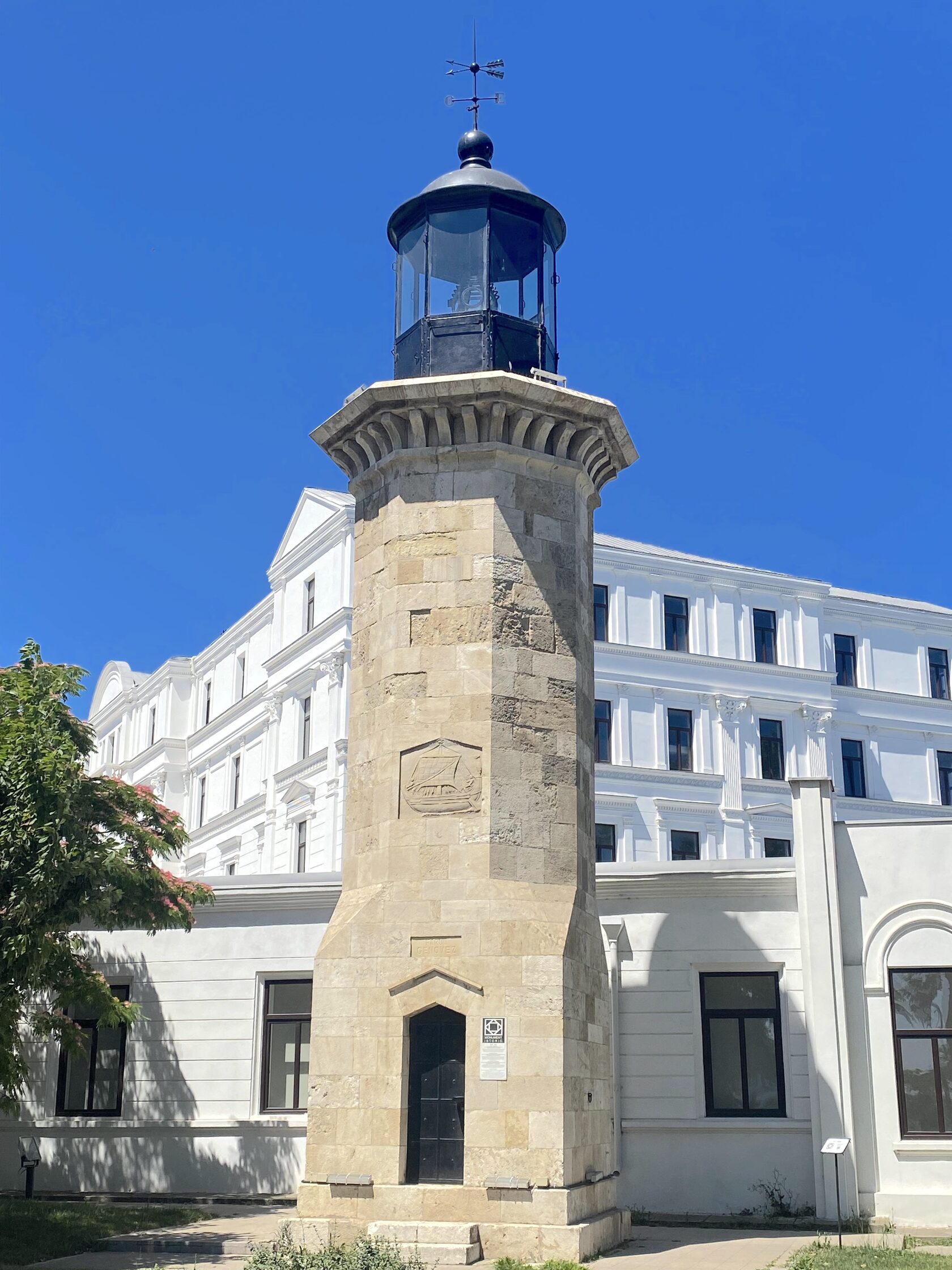
Standing on the edge of the sea, this landmark was reconstructed in 1860 by the Armenian-born French engineer Artin Aslan. His meticulous craftsmanship provided the city with a beacon of light, stabilizing the port during a period of rapid modernization.
2. The "Hacikar" (Khachkar) Monument
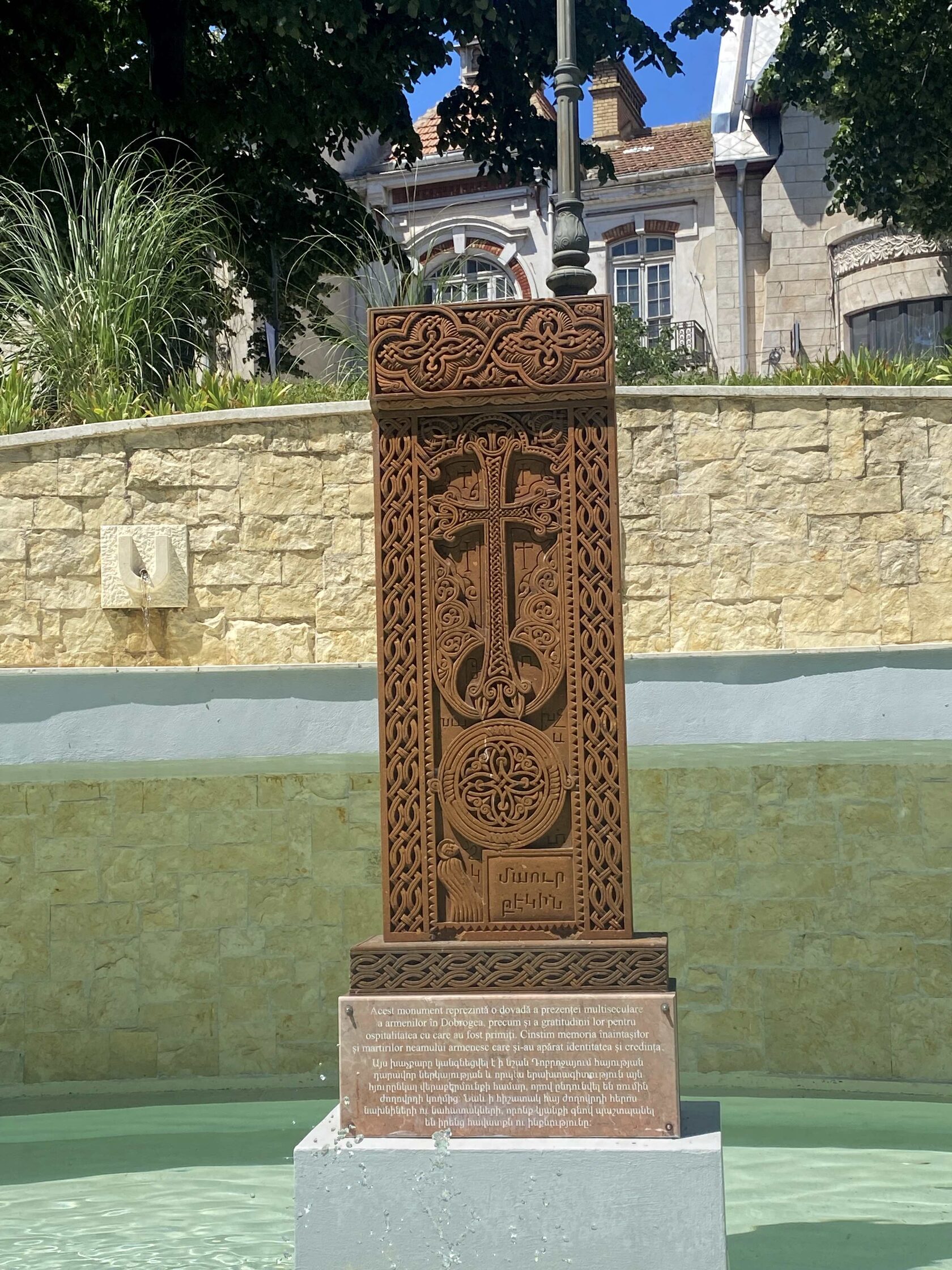
Located on the Casino Cliff, this traditional cross-stone stands as a modern bridge between the ancient Armenian homeland and the city of Constanța. It honors the spirit of those who found a new home here and the enduring friendship between the two peoples.
3. Guardians of the Port: The Lion House
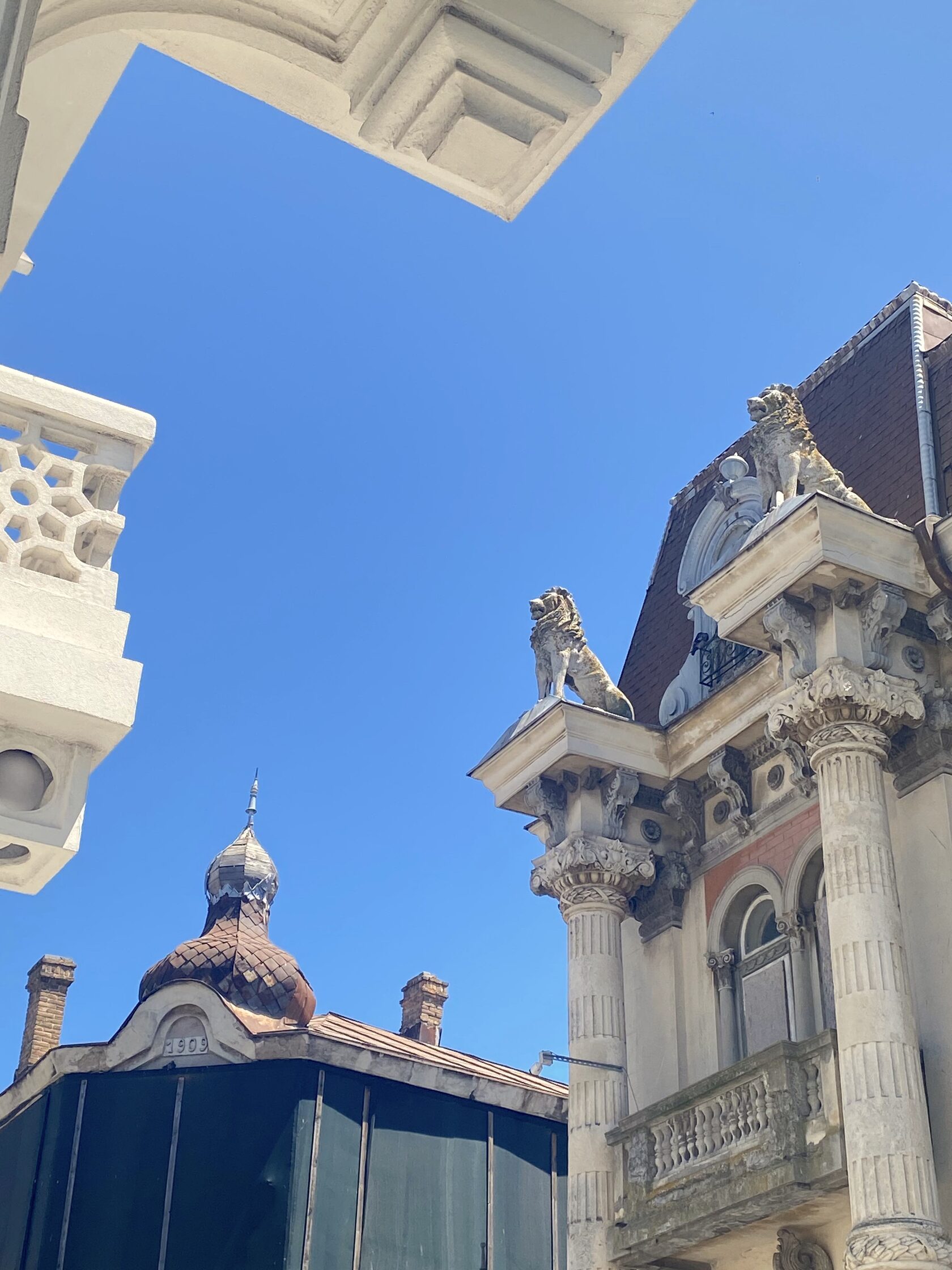
Built for the merchant Dicran Emirzian, this architectural gem with its four guardian lions remains a symbol of the immense economic influence held by the Armenian grain merchants at the turn of the century.
4. The Art Collector: House of Krikor Zambaccian
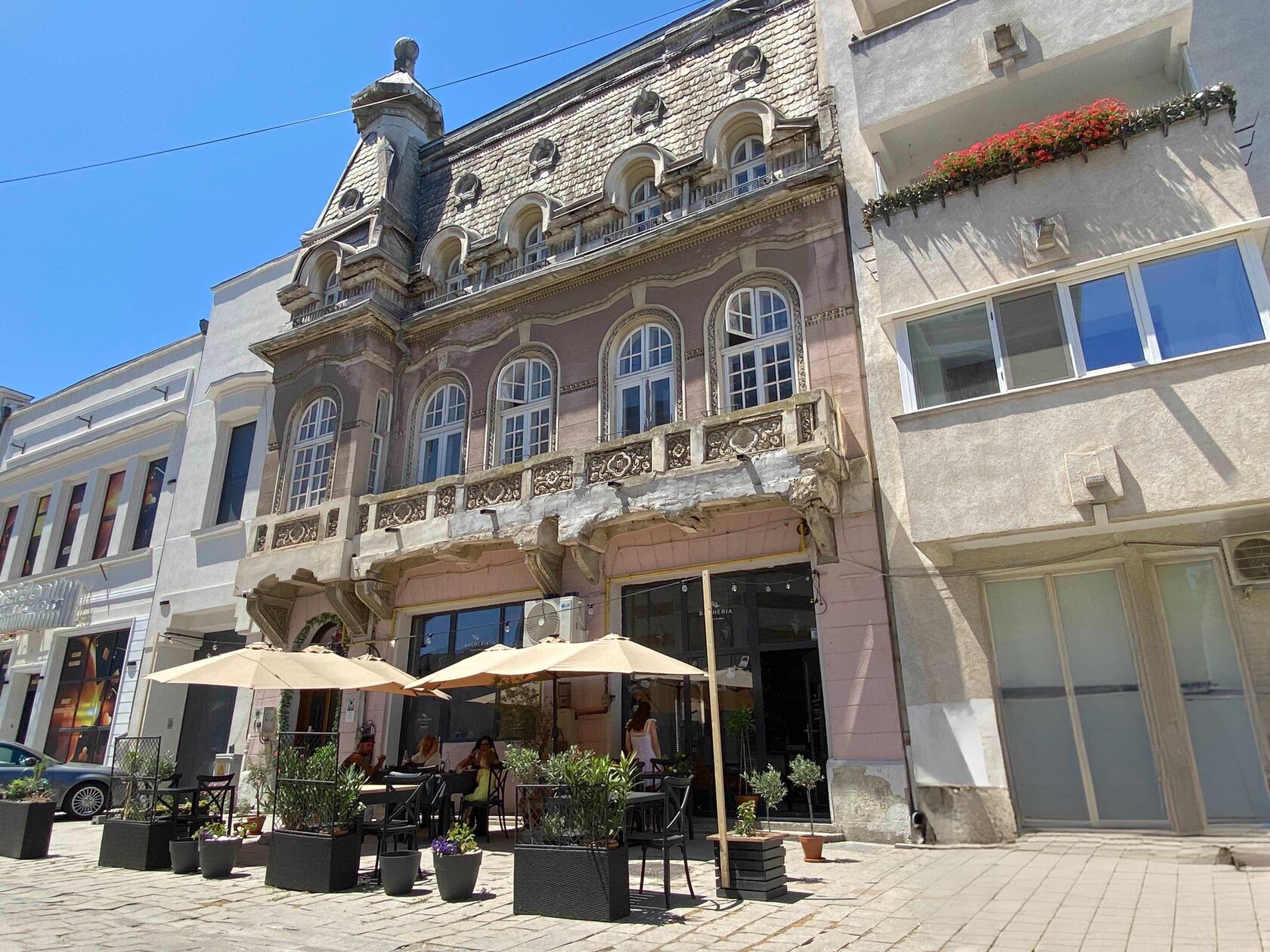
The birthplace of Krikor Zambaccian, Romania's most significant art critic. A merchant himself, he understood that wealth was only truly realized when shared, famously donating his priceless private art collection to the state.
5. The Spiritual Anchor: Saint Mary's Church
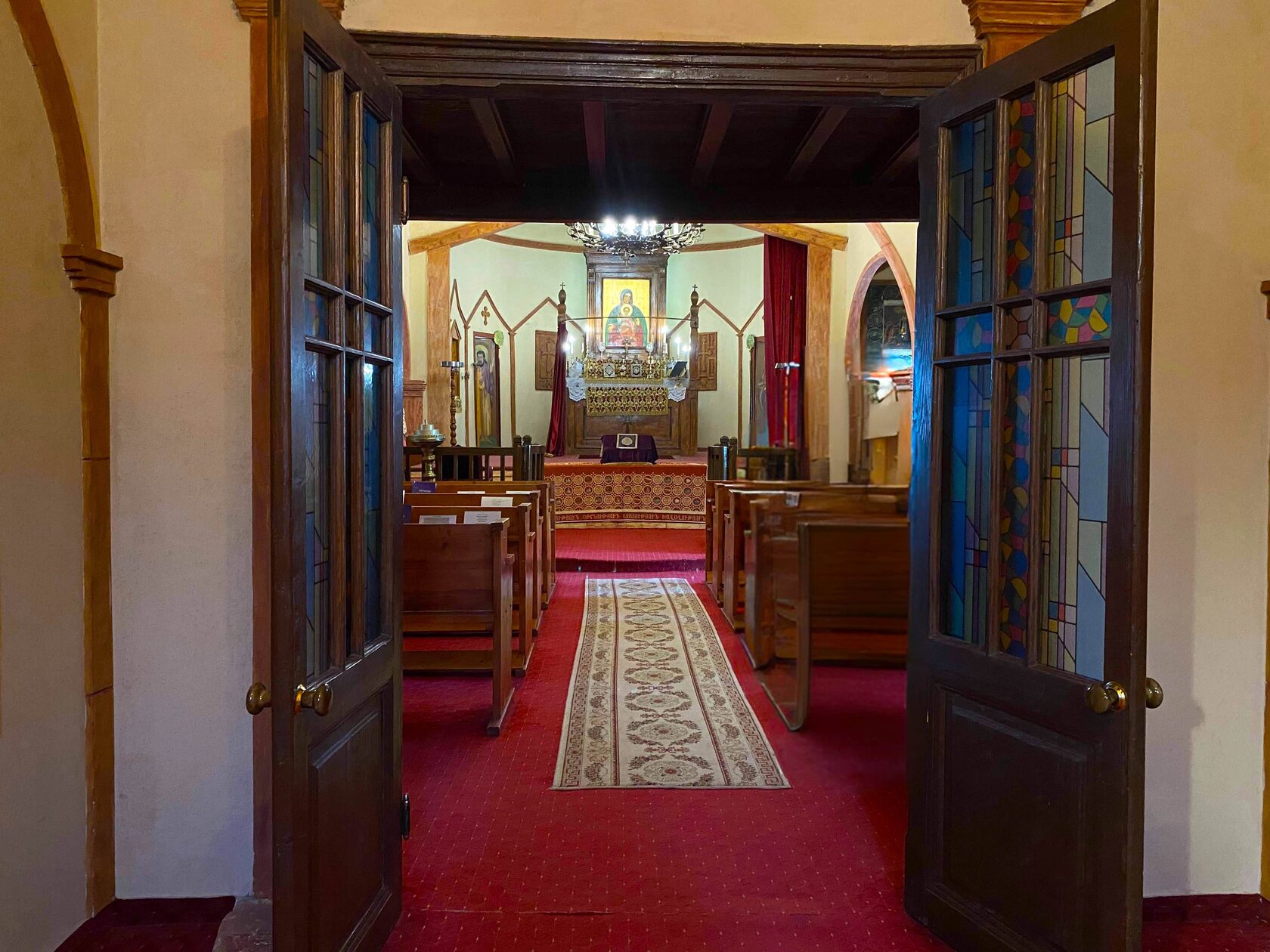
A place of deep serenity, "Sfânta Maria" remains the spiritual beating heart of the community. In this building, the classical Armenian language is still spoken during liturgy, preserving a thousand-year-old tradition.
6. The Philanthropist’s Gift: Casa Armenag Damadian
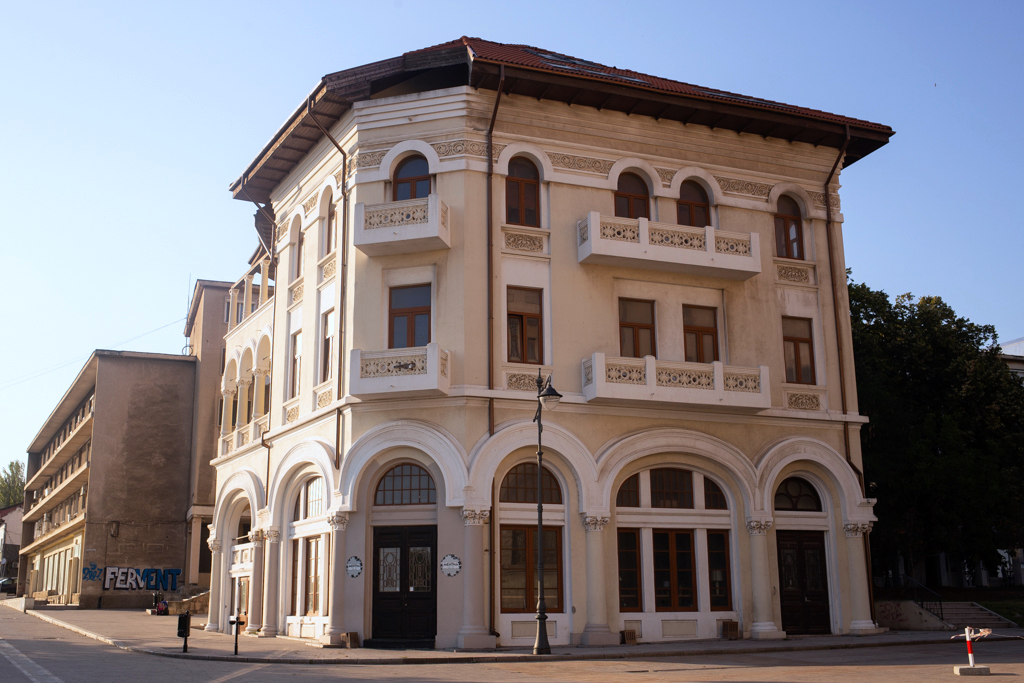
A grand Brâncovenesc-style home overlooking Ovidiu Square. Damadian was not just a merchant, but a tireless philanthropist whose contributions to the city's education still bear fruit today.