



1. Roots from Ani
(11th Century)
Armenians have been settled in Transylvania since the 11th century, starting when Armenia was conquered by the Turks and the historical capital, Ani, was depopulated.
2. Migration from Moldova (1672)
Fleeing religious persecution in the Principality of Moldova, 3000 Armenian families escaped to Transylvania under the leadership of their spiritual leader, Minas Ziliftar.
3. Events in Bistrița (1712)
The commercial success of the relocated Armenians caused local tension. In 1712, a plague epidemic broke out in Bistrița, which the Saxons blamed on the 231 Armenians living there.
4. Armenopolis (Gherla)
In 1700, the Emperor granted permission to build an Armenian city on the banks of the Someș River for 12,000 florins. By 1808, around 6,000 people lived here, all of whom were Armenian.
5. Revolution and Decline (1848)
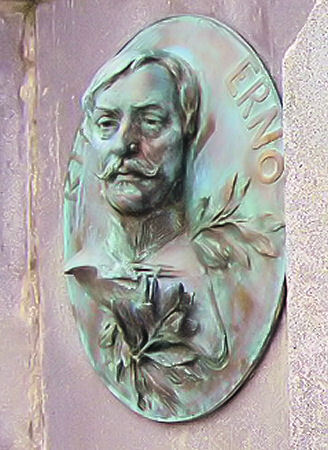
The Armenian community actively supported the revolution. Ernő Kiss and Vilmos Lázár were executed, becoming national heroes of Hungary.
Source: Arsen Arzumanyan, THE ARMENIAN COMMUNITY OF TRANSYLVANIA AND ITS PARTICIPATION IN THE CONSTRUCTION AND DEVELOPMENT OF CITIES (17-20TH CENTURIES).